About This Quiz
Today’s element roster is a lucky dip: you might start with Neon’s nightclub glow, leap to Osmium’s heavyweight title, then land on Europium’s theater-friendly shine—all shuffled by fate.
With each spin of the question wheel, only one name truly fits the number, while three impostors whisper sweet pseudochemistry. Trust periodic trends—group halos and period rhythms—to expose the phonies.
Fifty-nine pulls later you’ll have toured metals, non-metals and noble loners. Score high and the universe’s building blocks will be your party trick; score low and, well, there’s always remediation lab.
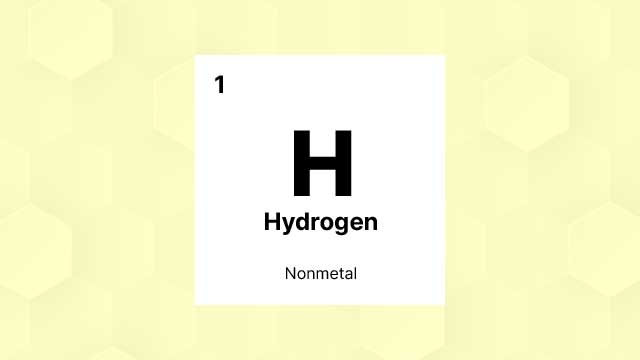
1. What’s element number 1?
[B] Hydrogen (H) | The lightest and most abundant element in the universe.
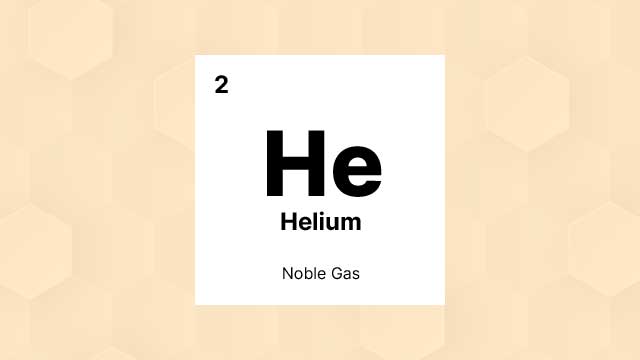
1. What’s element number 2?
[C] Helium (He) | A noble gas with a single electron shell.

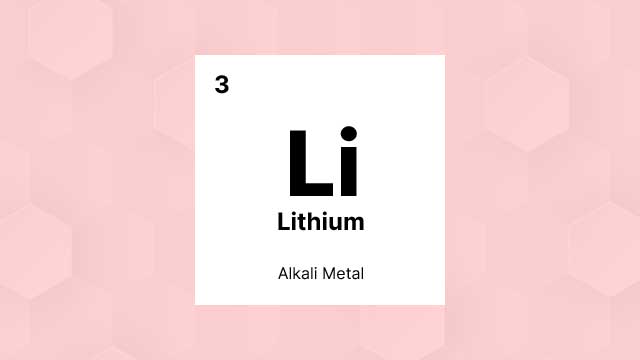
2. What’s element number 3?
[A] Lithium (Li) | The lightest metal and alkali metal.

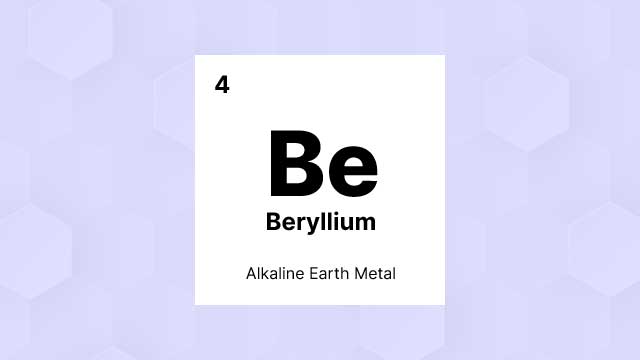
2. What’s element number 4?
[A] Beryllium (Be) | An alkaline earth metal with a very high melting point.
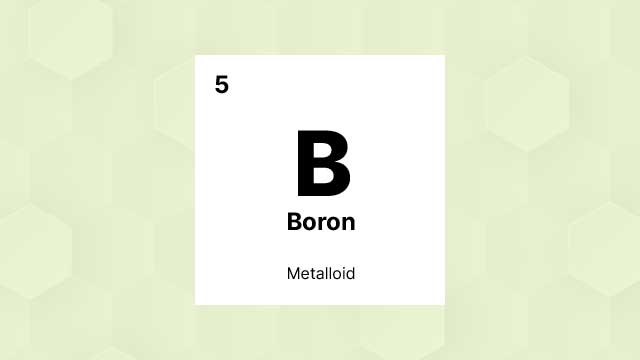
3. What’s element number 5?
[D] Boron (B) | A metalloid often used as a metallurgical alloying agent.
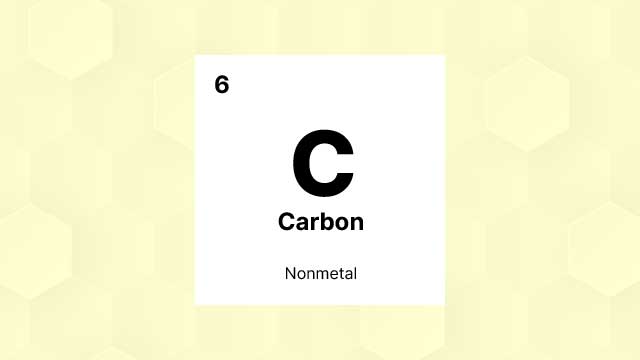
3. What’s element number 6?
[A] Carbon (C) | Essential for life and the basis of all organic compounds.
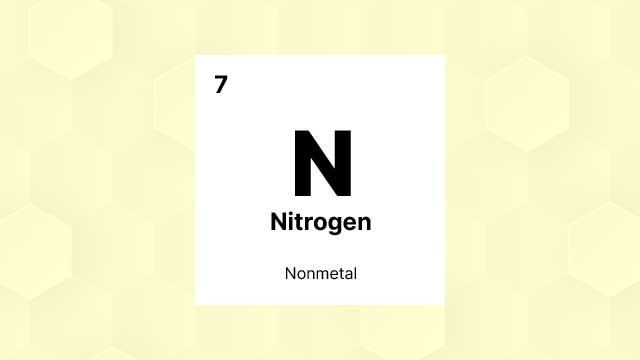
4. What’s element number 7?
[B] Nitrogen (N) | A diatomic gas that makes up most of the Earth's atmosphere.
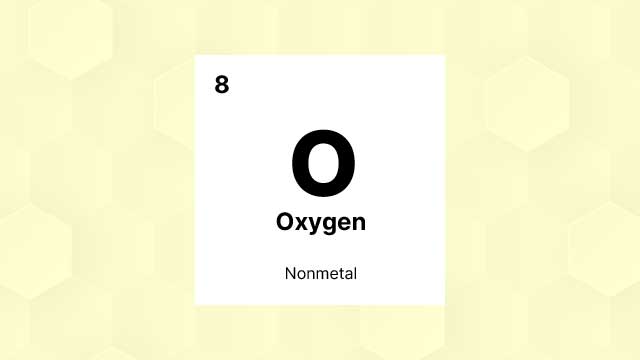
4. What’s element number 8?
[D] Oxygen (O) | A highly reactive element essential for life.
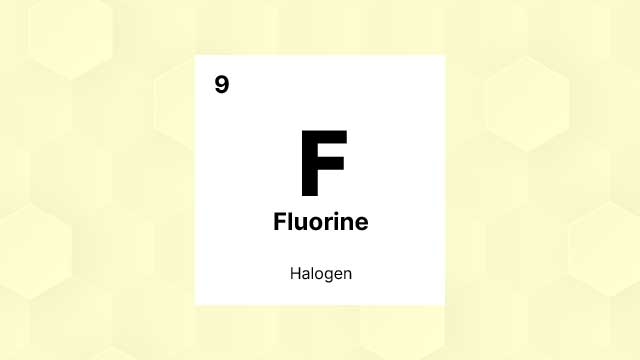
5. What’s element number 9?
[D] Fluorine (F) | The most reactive non-metal and the most electronegative element.
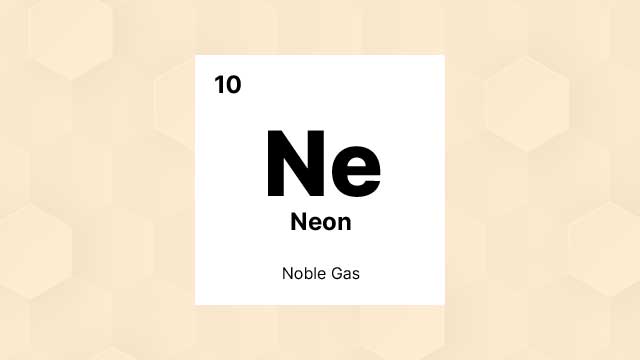
5. What’s element number 10?
[C] Neon (Ne) | A noble gas with a stable electron configuration, used in lighting and as a refrigerant.

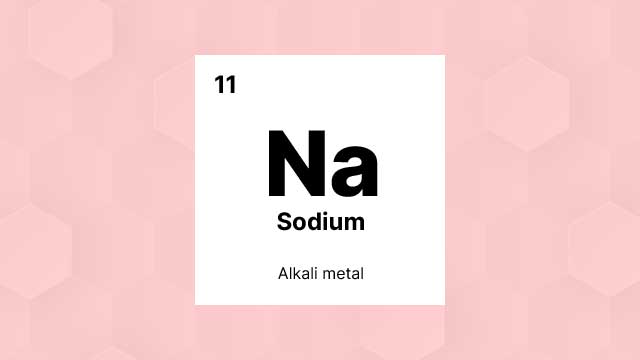
6. What’s element number 11?
[B] Sodium (Na) | A soft, silvery-white, highly reactive metal.

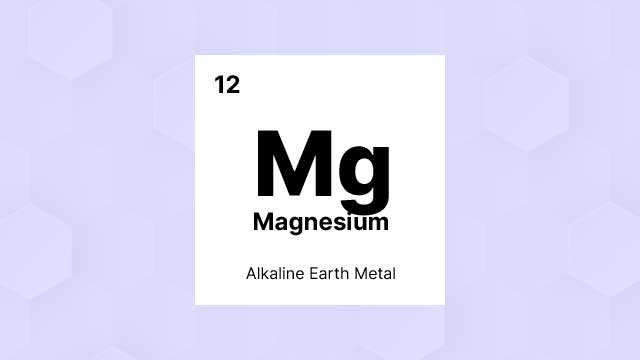
6. What’s element number 12?
[D] Magnesium (Mg) | An alkaline earth metal used in alloys and as a reducing agent.

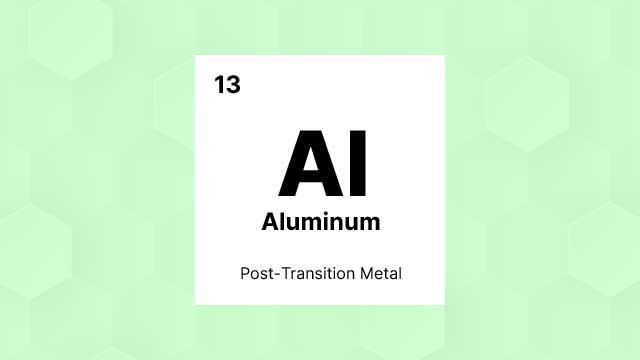
7. What’s element number 13?
[B] Aluminum (Al) | The most abundant metal in the Earth's crust.
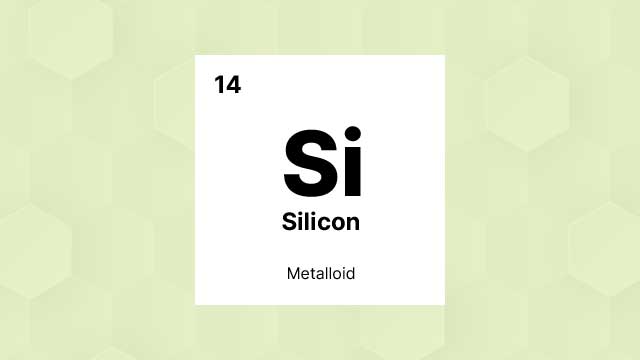
7. What’s element number 14?
[B] Silicon (Si) | A metalloid used in semiconductors and as a component of sand.
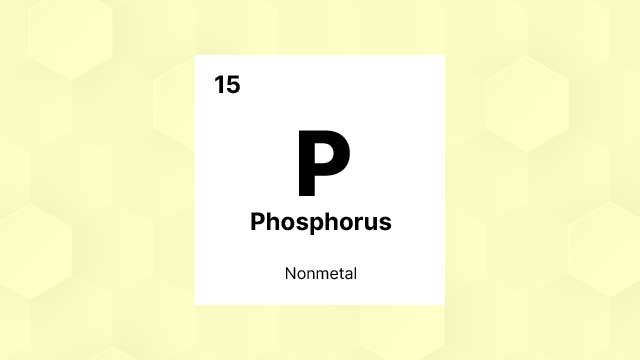
8. What’s element number 15?
[D] Phosphorus (P) | A non-metal that is essential for life and used in fertilizers.
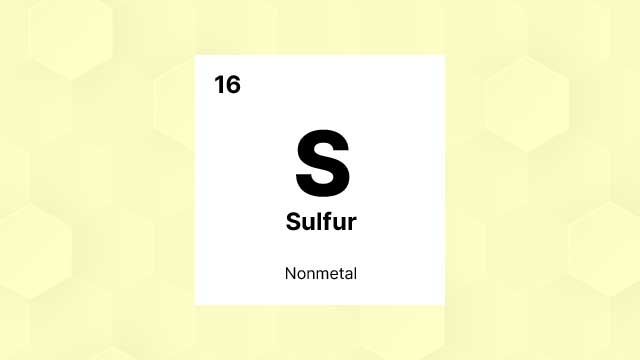
8. What’s element number 16?
[D] Sulfur (S) | A yellow, brittle solid that is an essential element in many proteins.
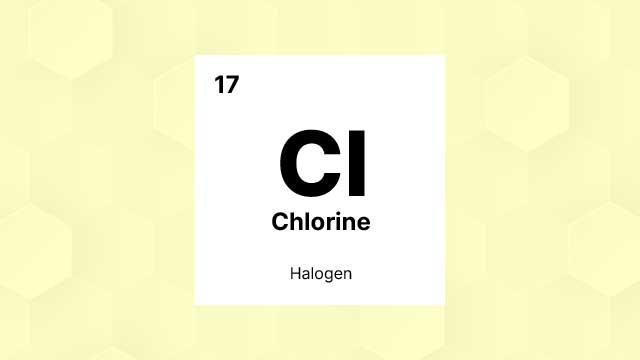
9. What’s element number 17?
[C] Chlorine (Cl) | A halogen that is a component of table salt and used in disinfectants.
9. What’s element number 18?
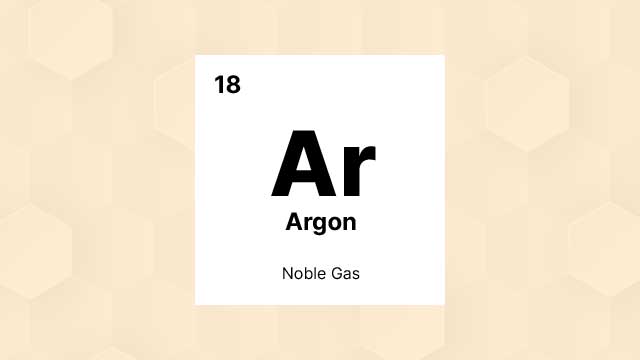
[A] Argon (Ar) | A noble gas used in lighting and as a shielding gas in welding.
10. What’s element number 19?
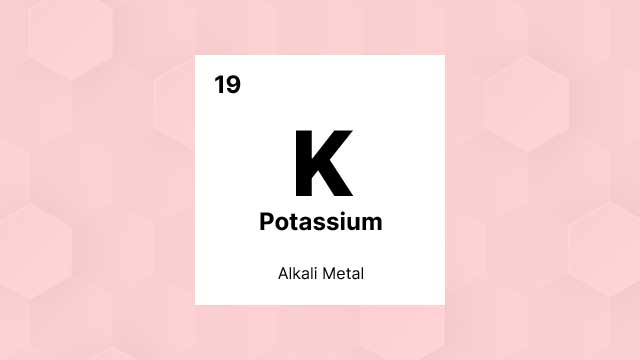
[B] Potassium (K) | An alkali metal that is essential for life and found in bananas.

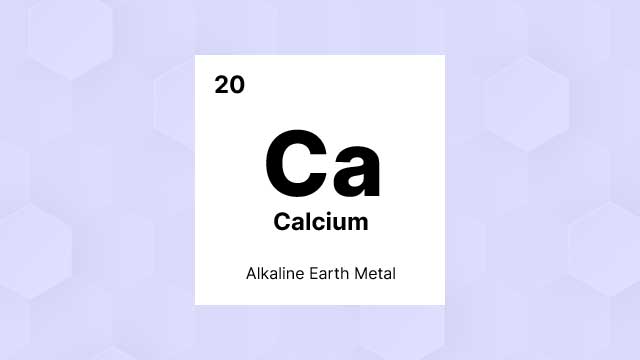
10. What’s element number 20?
[C] Calcium (Ca) | An alkaline earth metal that is essential for bones and teeth.

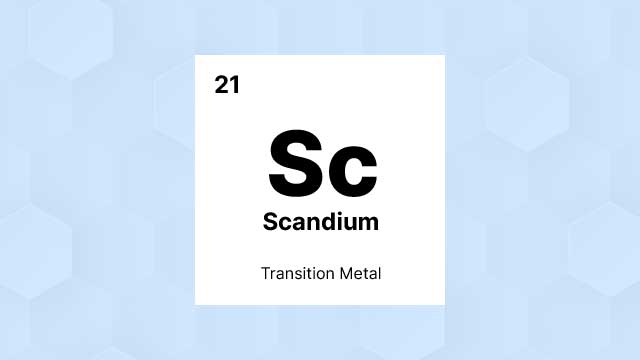
11. What’s element number 21?
[A] Scandium (Sc) | A transition metal with a high resistance to corrosion.

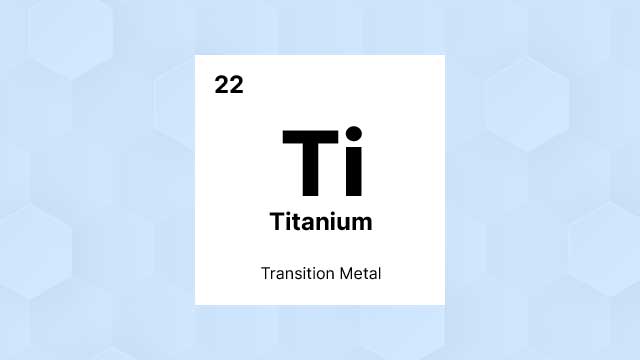
11. What’s element number 22?
[B] Vanadium (V) | A hard, silvery-grey, ductile, and malleable transition metal.

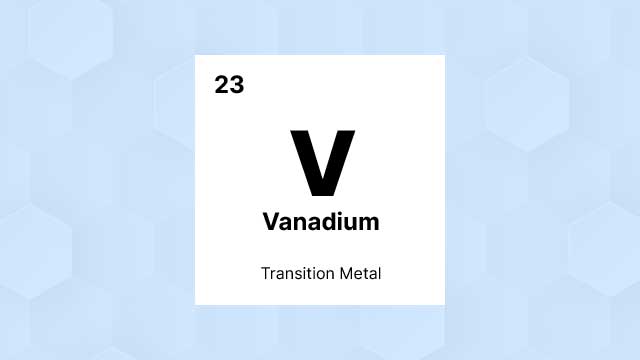
12. What’s element number 23?
[C] Vanadium (V) | A transition metal with a high tensile strength.

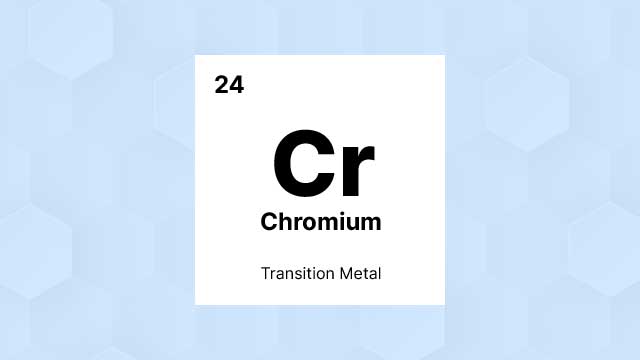
12. What’s element number 24?
[B] Chromium (Cr) | A steel-gray, lustrous, hard and brittle metal.

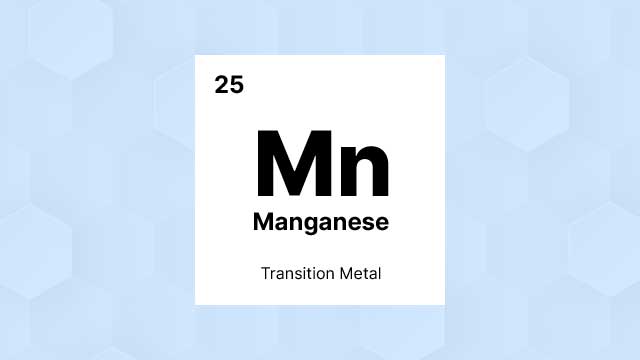
13. What’s element number 25?
[A] Manganese (Mn) | A transition metal that is an essential trace element in living organisms.

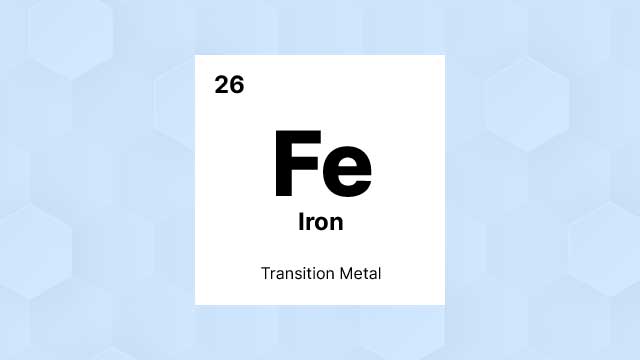
13. What’s element number 26?
[D] Iron (Fe) | A metal that is the most abundant element on Earth and a key component of hemoglobin.

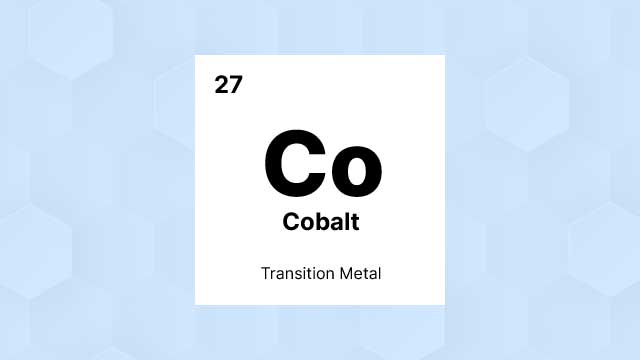
14. What’s element number 27?
[A] Cobalt (Co) | A metal used in various alloys for its high resistance to wear and corrosion.

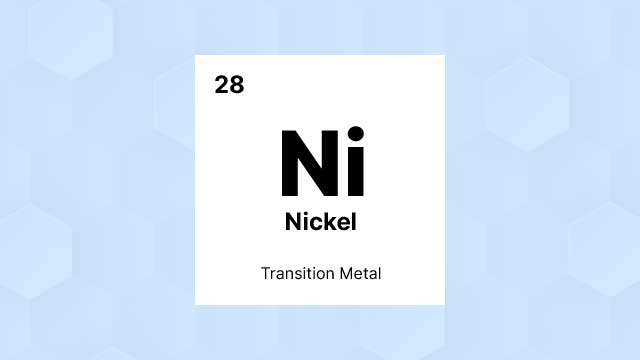
14. What’s element number 28?
[C] Copper (Cu) | A reddish-brown metal known for its high thermal and electrical conductivity.

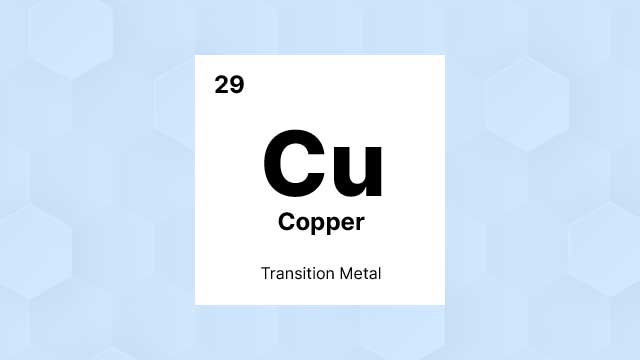
15. What’s element number 29?
[B] Zinc (Zn) | A transition metal that is essential for human growth and development.
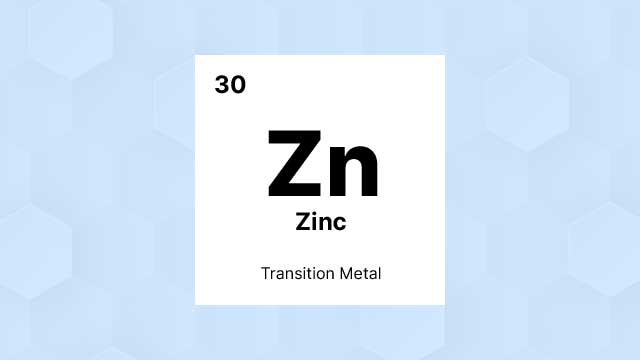
15. What’s element number 30?
[D] Gallium (Ga) | A soft, silvery metal with a low melting point.

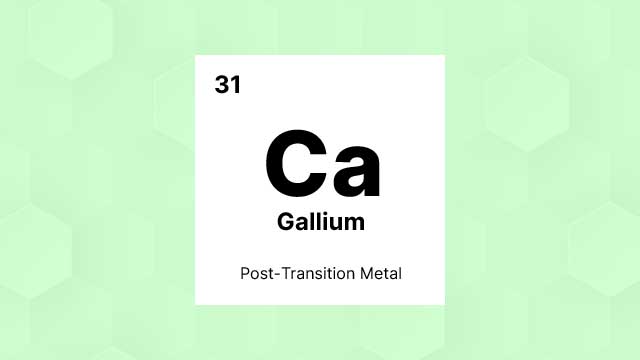
16. What’s element number 31?
[C] Gallium (Ga) | A metal that is used in semiconductors and as a component in LED lights.
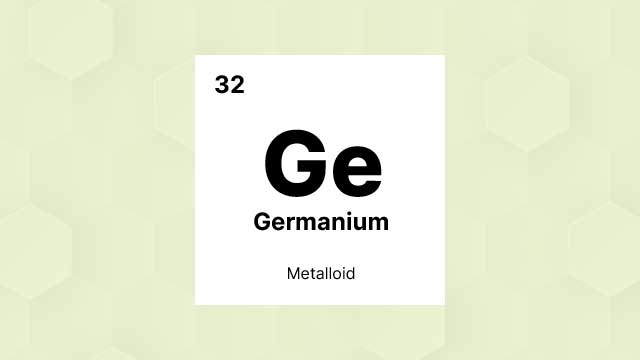
16. What’s element number 32?
[D] Germanium (Ge) | A metalloid used in semiconductors and optical fibers.
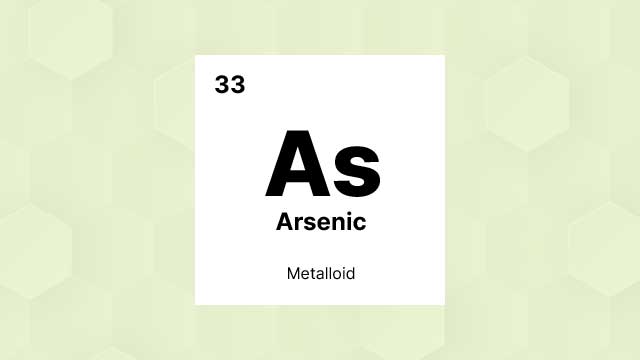
17. What’s element number 33?
[B] Arsenic (As) | A metalloid that is a byproduct of copper and gold mining.
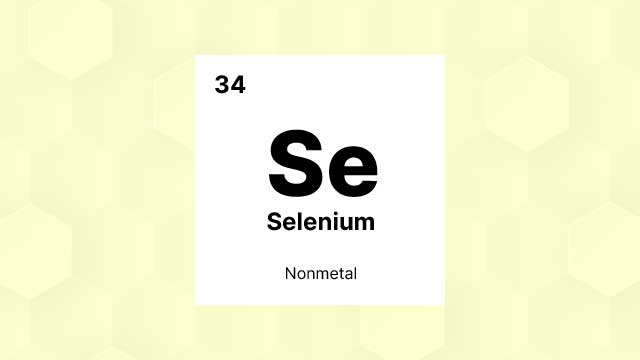
17. What’s element number 34?
[C] Selenium (Se) | A non-metal with uses in glass production and photovoltaic cells.
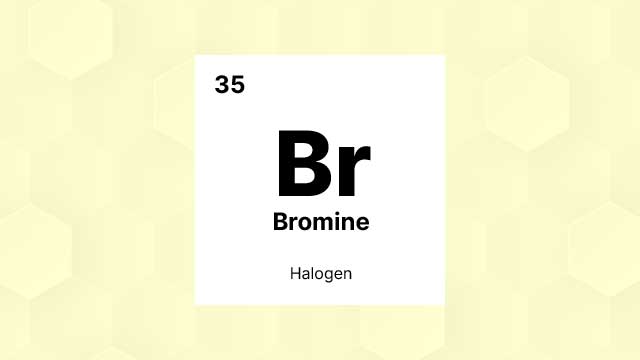
18. What’s element number 35?
[A] Bromine (Br) | A halogen that is a vital part of seawater and a flame retardant.
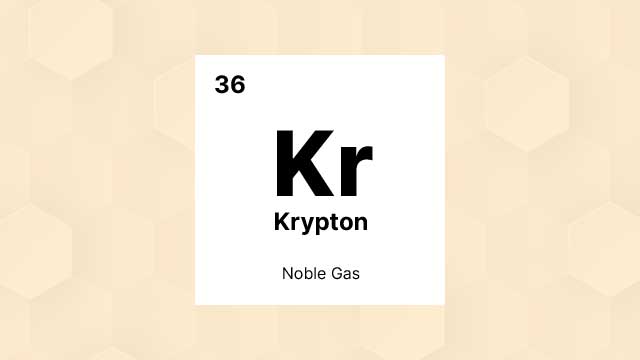
18. What’s element number 36?
[D] Krypton (Kr) | A noble gas used in certain types of lighting and as a cooling agent in nuclear reactors.
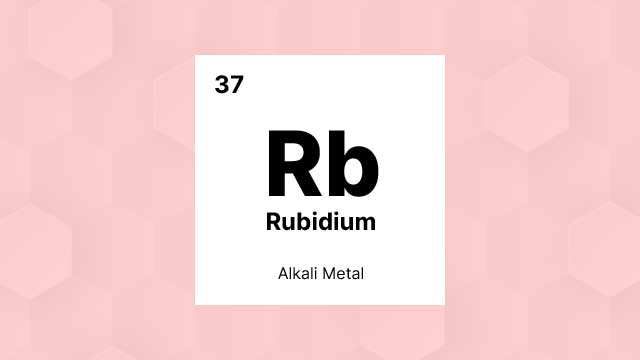
19. What’s element number 37?
[A] Rubidium (Rb) | A soft, silvery-white alkali metal used in atomic clocks.
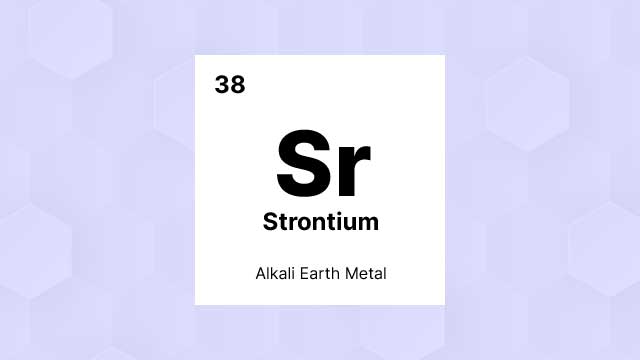
19. What’s element number 38?
[C] Strontium (Sr) | An alkaline earth metal that is used in fireworks to produce a red color.

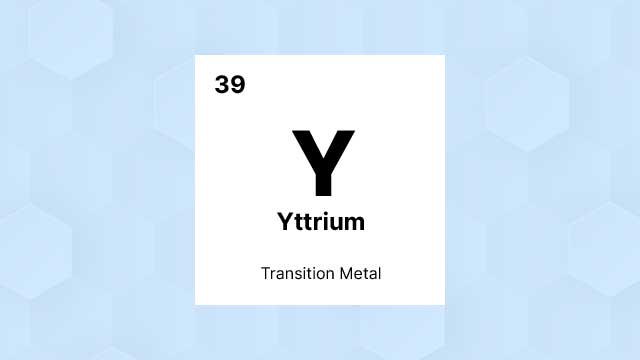
20. What’s element number 39?
[B] Yttrium (Y) | A rare earth metal used in superconductors and LEDs.

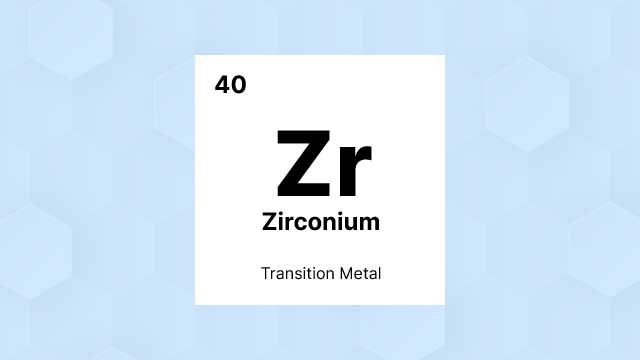
20. What’s element number 40?
[C] Zirconium (Zr) | A strong, lustrous metal that is resistant to corrosion and used in nuclear reactors.

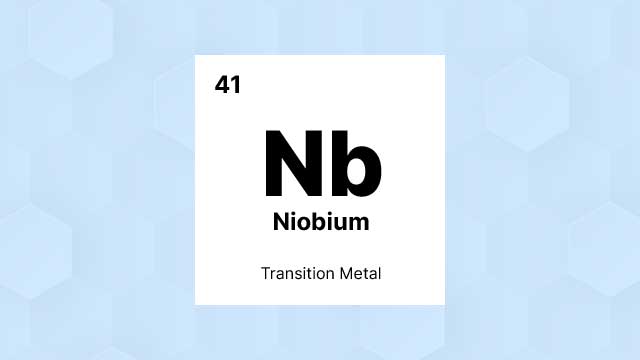
21. What’s element number 41?
[A] Niobium (Nb) | A soft, grey, ductile transition metal used in alloys.

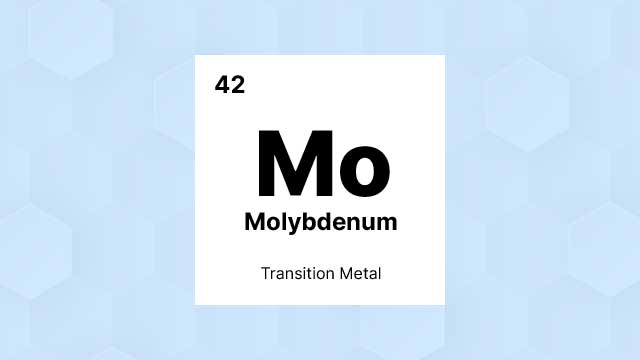
21. What’s element number 42?
[C] Molybdenum (Mo) | A metal with the highest melting point of all transition metals.

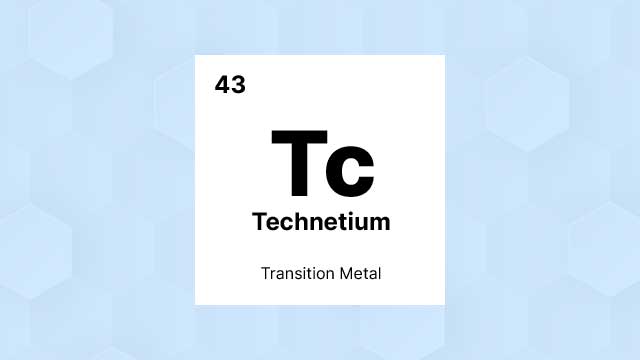
22. What’s element number 43?
[B] Technetium (Tc) | The first element to be synthesized artificially.

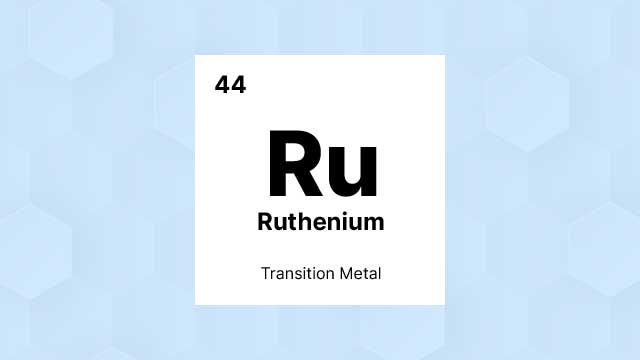
22. What’s element number 44?
[A] Ruthenium (Ru) | A hard, durable metal used in electronics and as a catalyst.

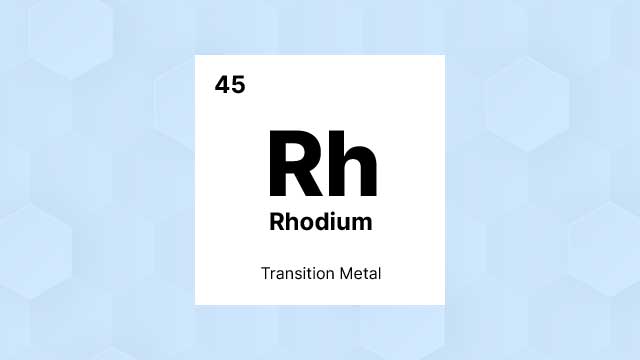
23. What’s element number 45?
[D] Rhodium (Rh) | A rare, silvery-white, hard, and chemically inert transition metal.

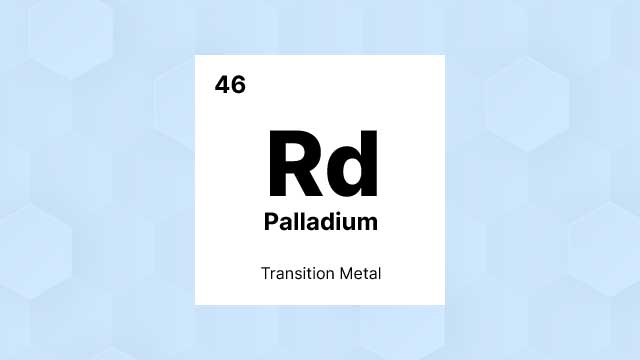
23. What’s element number 46?
[A] Palladium (Pd) | A rare and lustrous silvery-white metal used in jewelry and as a catalyst.
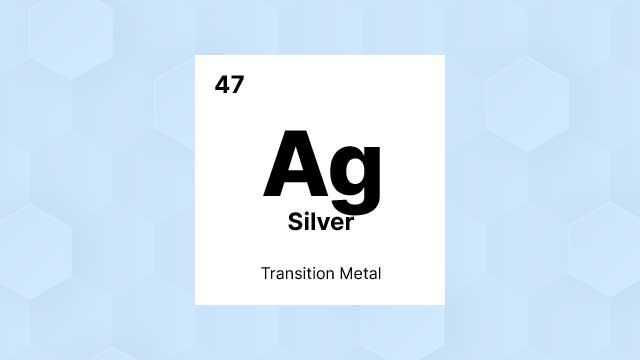
24. What’s element number 47?
[C] Silver (Ag) | A precious metal known for its high electrical and thermal conductivity.

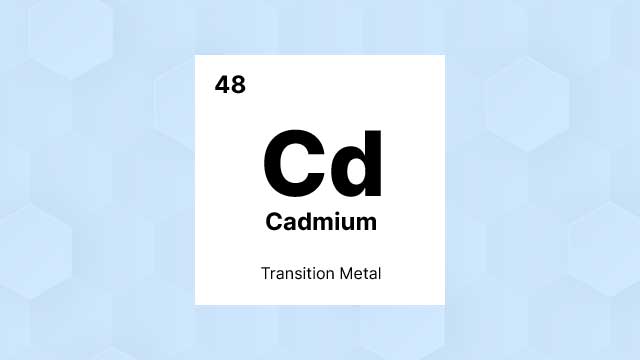
24. What’s element number 48?
[D] Cadmium (Cd) | A soft, bluish-white metal that is toxic and used in batteries.
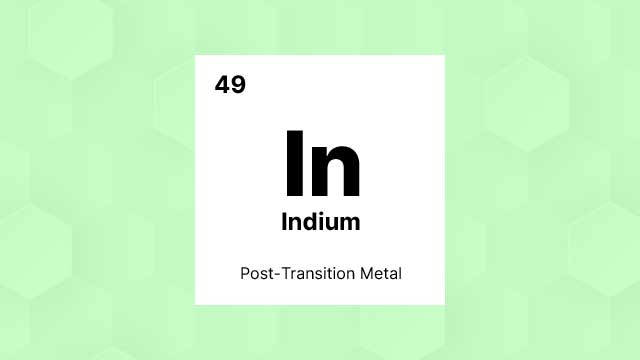
25. What’s element number 49?
[B] Indium (In) | A soft, silvery metal with a low melting point, used in semiconductors.

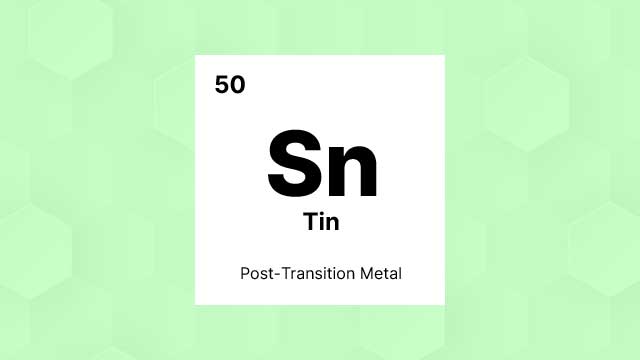
25. What’s element number 50?
[A] Tin (Sn) | A malleable, ductile, and highly crystalline silvery-white metal used in solder and cans.
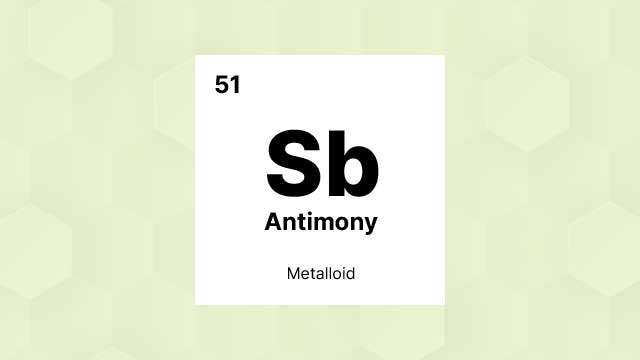
26. What’s element number 51?
[A] Antimony (Sb) | A metalloid with a variety of uses in alloys and as a flame retardant.
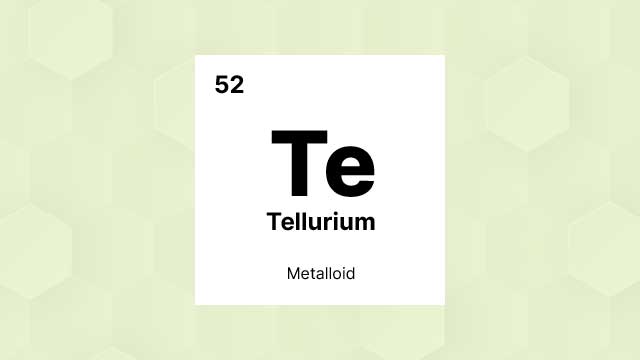
26. What’s element number 52?
[B] Tellurium (Te) | A rare element that is chemically related to selenium and sulfur.
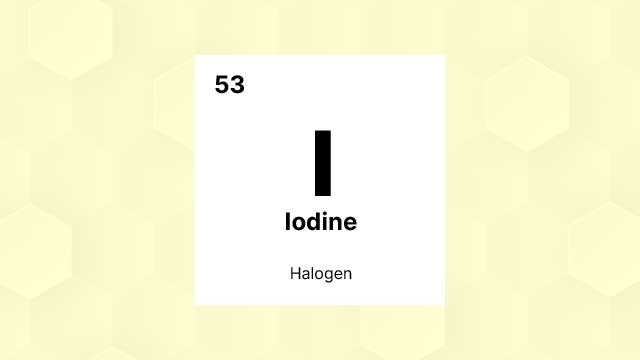
27. What’s element number 53?
[D] Iodine (I) | A halogen essential for the production of thyroid hormones.
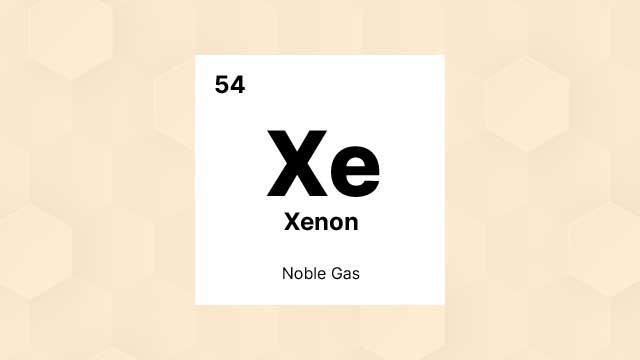
27. What’s element number 54?
[C] Xenon (Xe) | A noble gas used in lighting and as a tracer in chemical analysis.
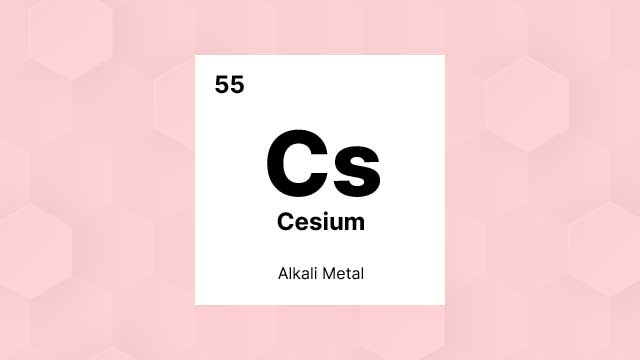
28. What’s element number 55?
[D] Cesium (Cs) | An alkali metal that is highly reactive and used in atomic clocks.

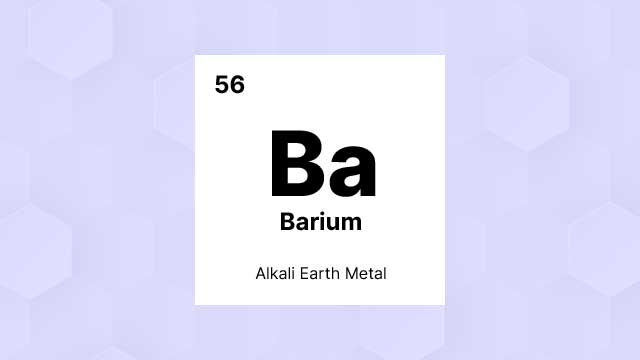
28. What’s element number 56?
[A] Barium (Ba) | A heavy metal used in X-ray shielding and as a chemical reagent.
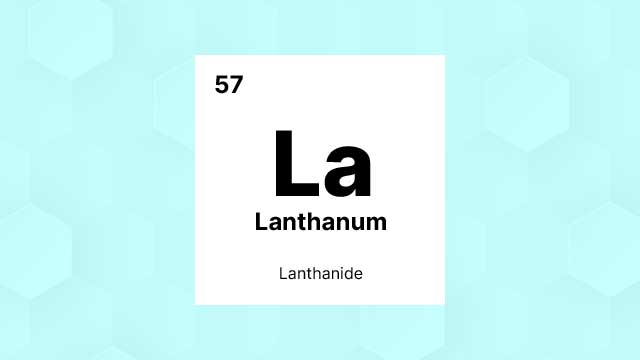
29. What’s element number 57?
[C] Lanthanum (La) | The first of the lanthanides, used in electronics and as a catalyst.
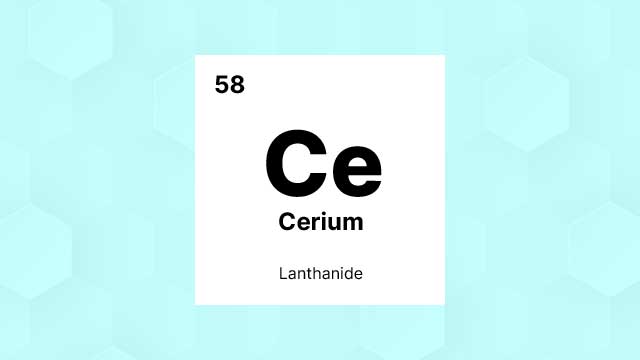
29. What’s element number 58?
[A] Cerium (Ce) | A rare earth element used in catalysts and as a component in glass.
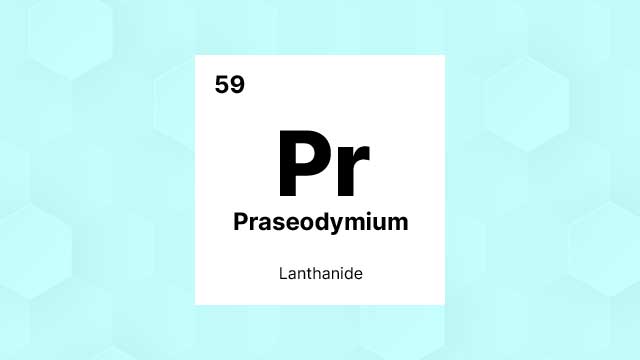
30. What’s element number 59?
[C] Praseodymium (Pr) | A rare earth metal used in metal alloys and as a neutron absorber.
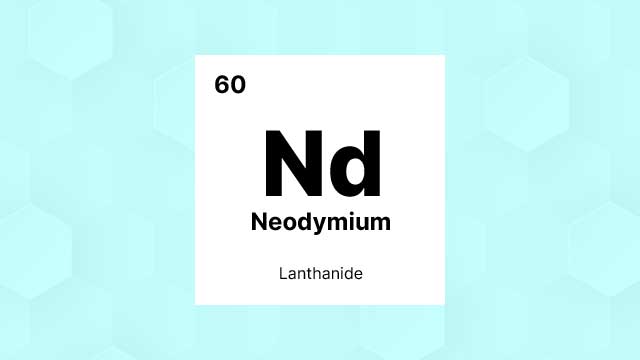
30. What’s element number 60?
[B] Neodymium (Nd) | A rare earth element used in strong magnets and lasers.
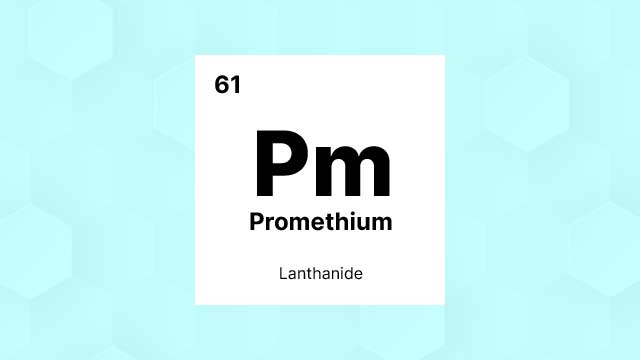
31. What’s element number 61?
[C] Promethium (Pm) | A radioactive rare earth element used in nuclear batteries.
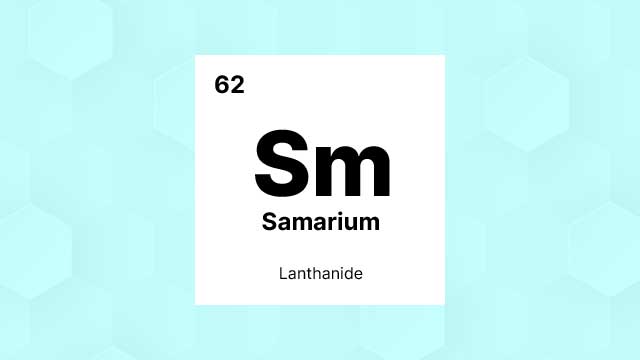
31. What’s element number 62?
[A] Samarium (Sm) | A rare earth metal used in electronics and as a neutron absorber.
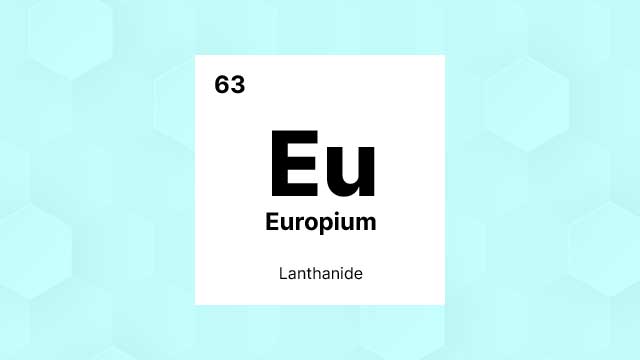
32. What’s element number 63?
[B] Europium (Eu) | A rare earth element used in phosphors and as a red pigment in glass.
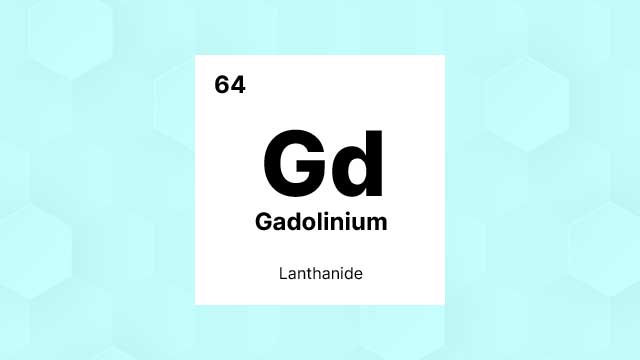
32. What’s element number 64?
[C] Gadolinium (Gd) | A rare earth metal used in MRI contrast agents and as a neutron absorber.
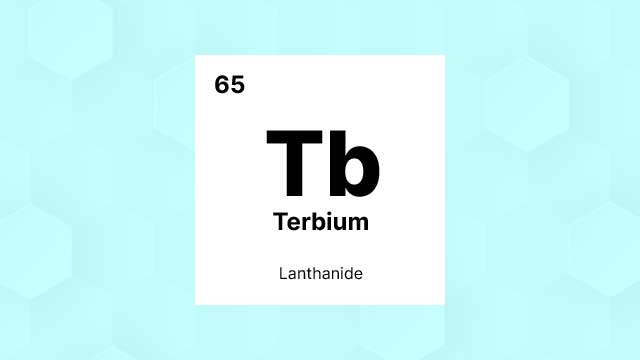
33. What’s element number 65?
[D] Terbium (Tb) | A rare earth element used in green pigments and as a magnetic material.
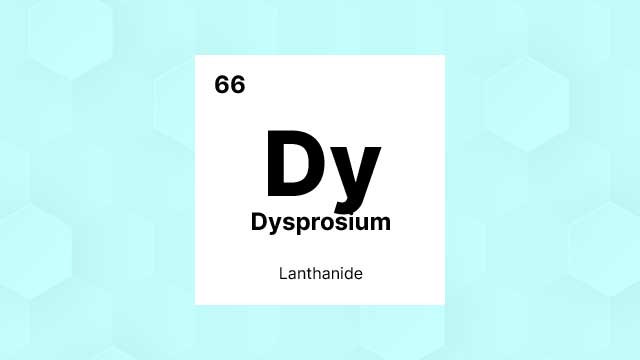
33. What’s element number 66?
[D] Dysprosium (Dy) | A rare earth metal used in electronics and as a hardening agent.
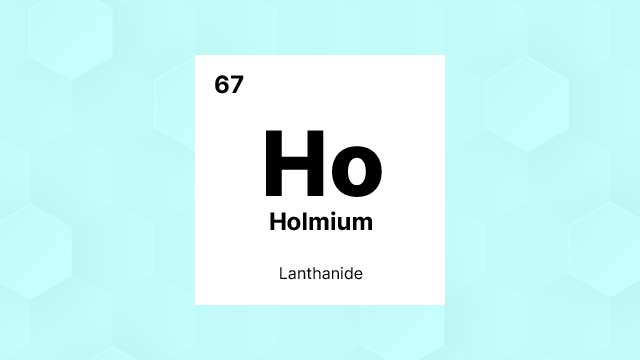
34. What’s element number 67?
[A] Holmium (Ho) | A rare earth metal used in lasers and as a catalyst.
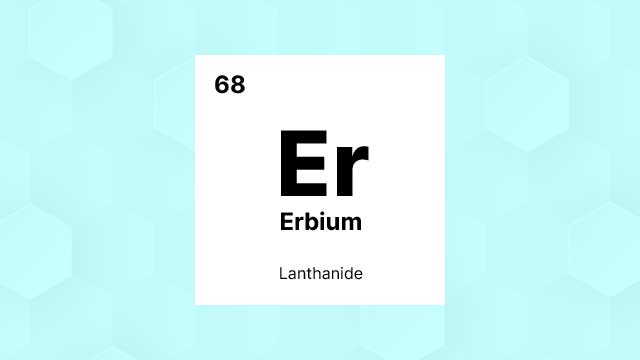
34. What’s element number 68?
[B] Erbium (Er) | A rare earth metal used in fiber optics and as a nuclear control rod material.
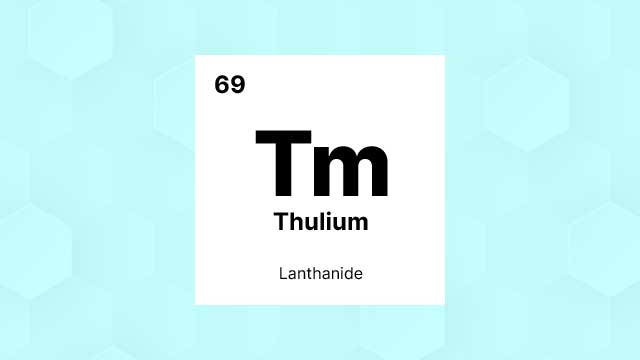
35. What’s element number 69?
[C] Thulium (Tm) | A rare earth metal used in portable X-ray devices and as a catalyst.
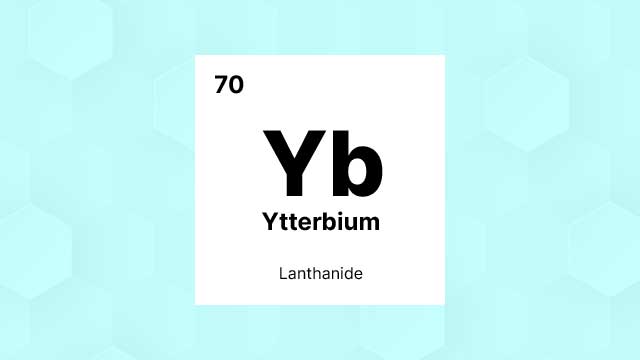
35. What’s element number 70?
[A] Ytterbium (Yb) | A rare earth metal used in superconductors and as a source of ytterbium-169 for cancer treatment.
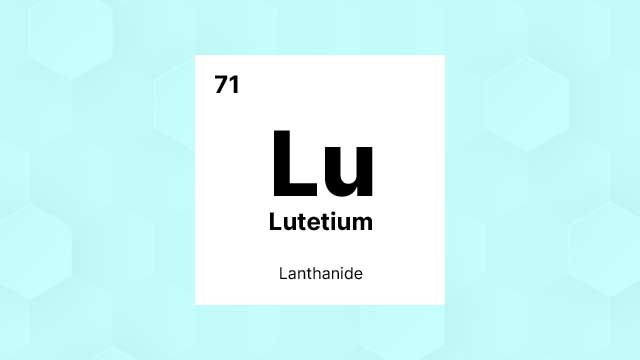
36. What’s element number 71?
[D] Lutetium (Lu) | A rare earth metal used in certain types of electronics and medical imaging.
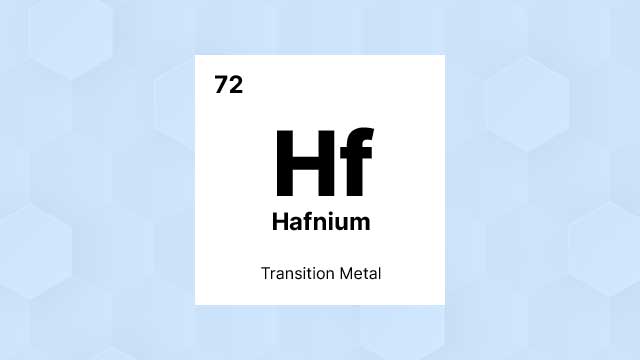
36. What’s element number 72?
[B] Hafnium (Hf) | A lustrous, silvery metal with a high melting point, used in nuclear control rods.
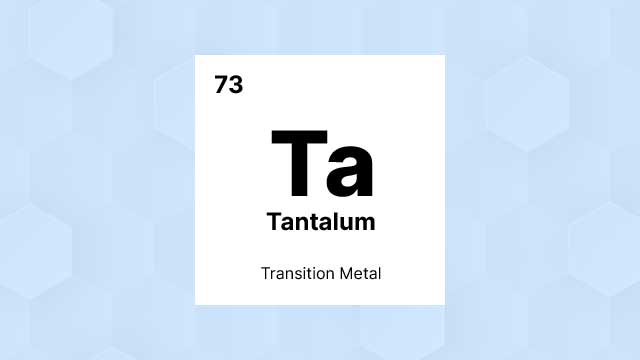
37. What’s element number 73?
[C] Tantalum (Ta) | A rare, hard, blue-gray, lustrous metal used in electronics and medical implants.
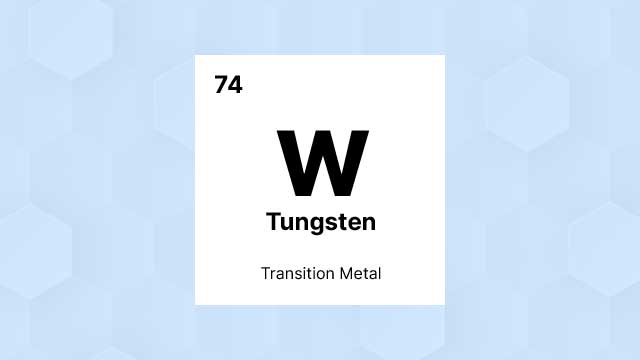
37. What’s element number 74?
[D] Tungsten (W) | A hard, steel-colored metal with the highest melting point of all metals.
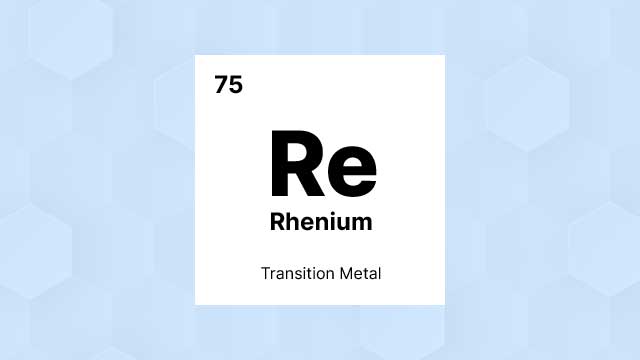
38. What’s element number 75?
[B] Rhenium (Re) | A silvery-gray metal with the second-highest melting point and density after iridium.
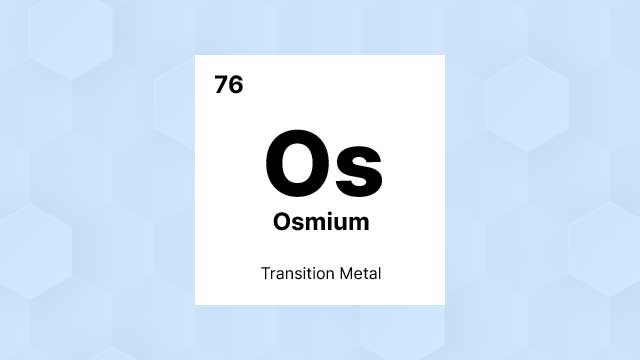
38. What’s element number 76?
[C] Osmium (Os) | A hard, brittle, and blue-gray metal in the platinum group, known for its high density.
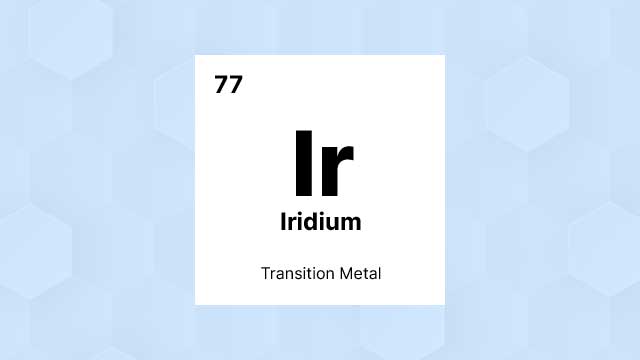
39. What’s element number 77?
[B] Iridium (Ir) | A very hard, brittle, silvery-white metal of the platinum group, used in catalysts and electronics.
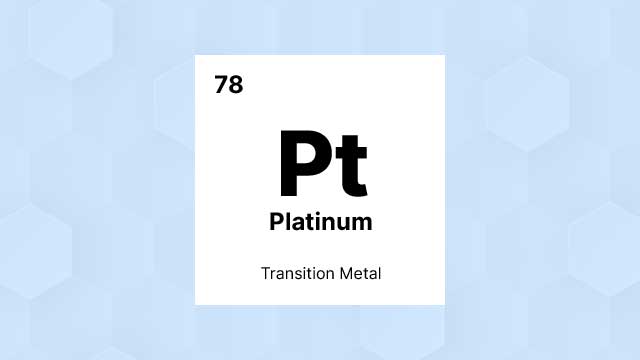
39. What’s element number 78?
[C] Platinum (Pt) | A dense, malleable, and ductile metal with many uses, including jewelry and catalytic converters.
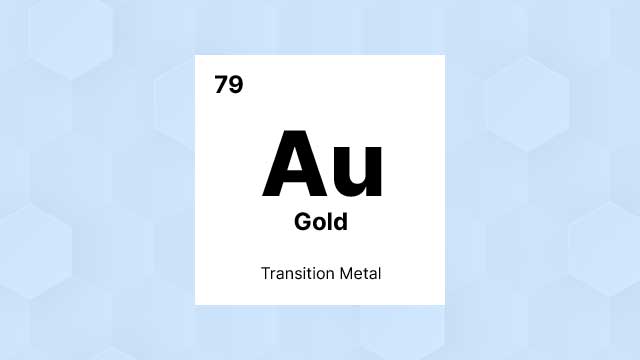
40. What’s element number 79?
[A] Gold (Au) | A precious metal known for its conductivity, luster, and resistance to corrosion.
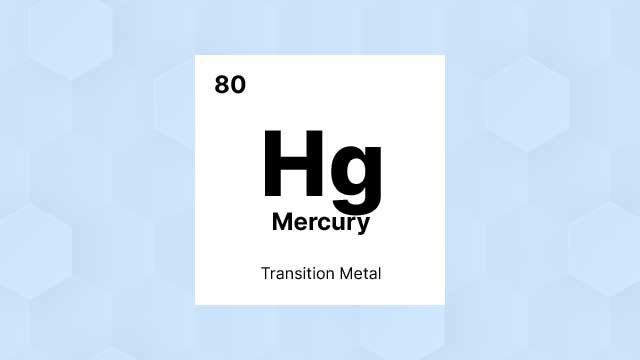
40. What’s element number 80?
[B] Mercury (Hg) | A liquid metal at room temperature, used in thermometers and barometers.
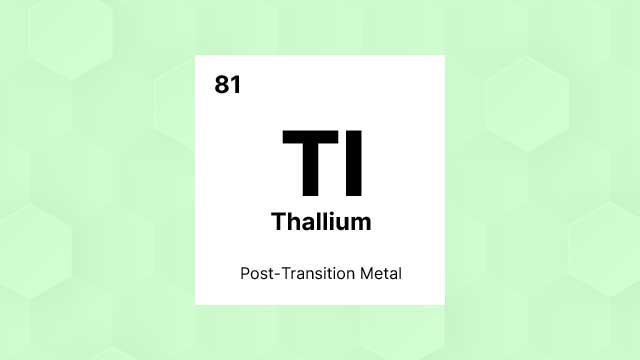
41. What’s element number 81?
[C] Thallium (Tl) | A soft, malleable, and toxic metal that can be found in electronic devices.
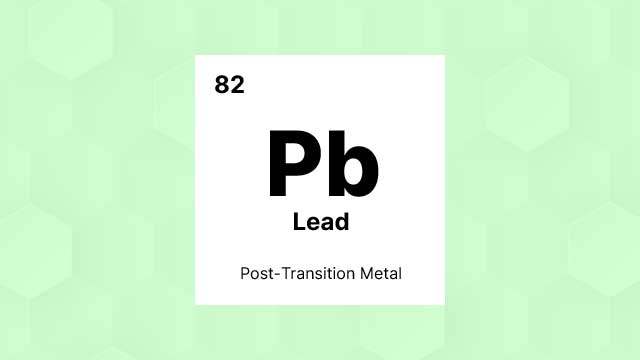
41. What’s element number 82?
[C] Lead (Pb) | A heavy metal commonly used in batteries, welding, and as a shield against radiation.
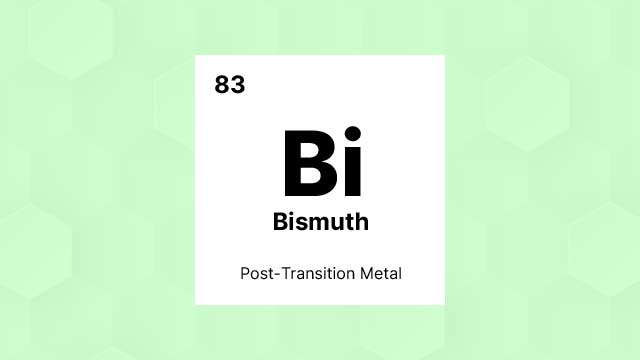
42. What’s element number 83?
[B] Bismuth (Bi) | A pentavalent post-transition metal with applications in cosmetics and pharmaceuticals.
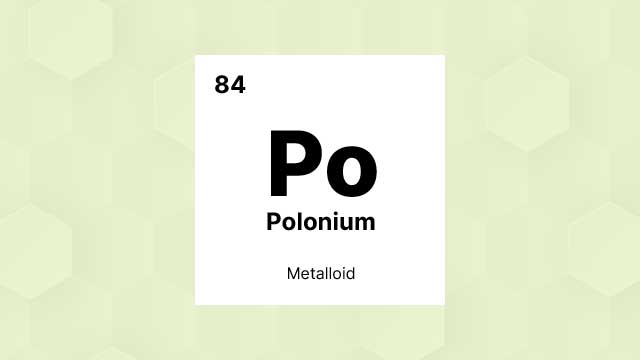
42. What’s element number 84?
[C] Polonium (Po) | A rare and highly radioactive metal with no stable isotopes.
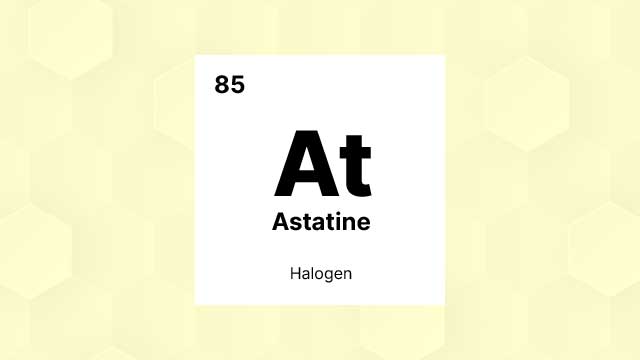
43. What’s element number 85?
[A] Astatine (At) | A halogen with no stable isotopes, making it one of the least studied elements.
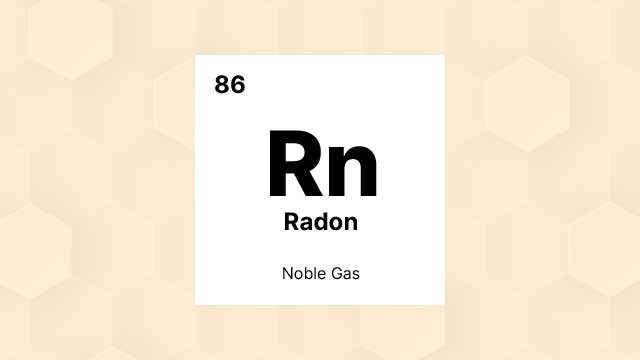
43. What’s element number 86?
[B] Radon (Rn) | A radioactive noble gas that occurs naturally as a decay product of uranium and thorium.
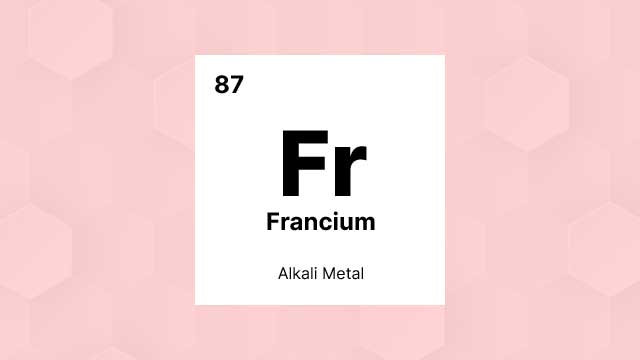
44. What’s element number 87?
[C] Francium (Fr) | The second-least electronegative element, with no stable isotopes and very short-lived isotopes.
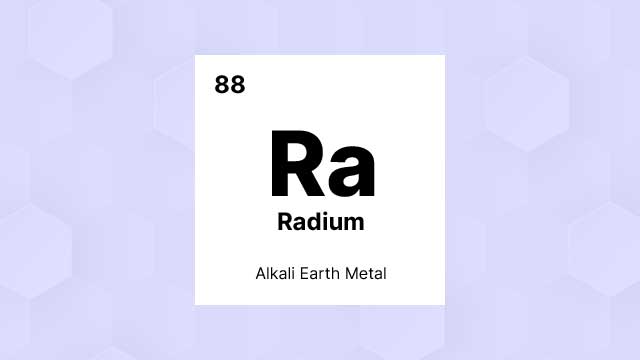
44. What’s element number 88?
[A] Radium (Ra) | A radioactive metal used historically in cancer treatments and as a source of radium-226.
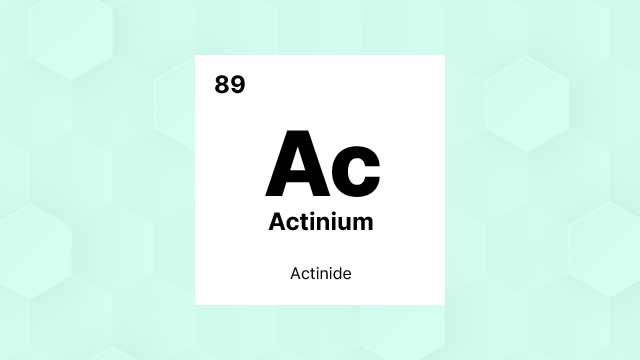
45. What’s element number 89?
[B] Actinium (Ac) | A soft, silvery radioactive metal with chemical properties similar to lanthanum.
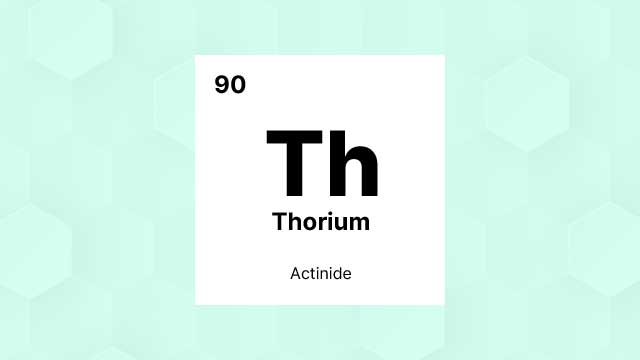
45. What’s element number 90?
[D] Thorium (Th) | A radioactive actinide with applications in nuclear power and as a source of thorium-232.

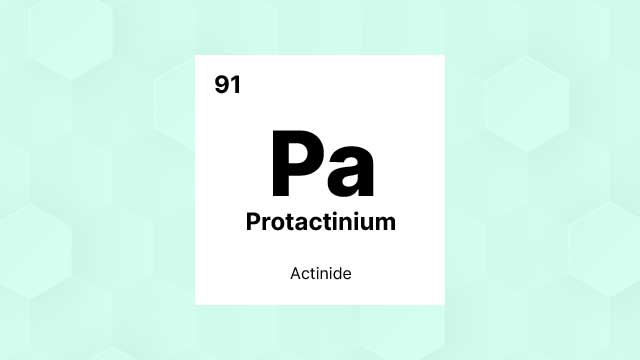
46. What’s element number 91?
[D] Protactinium (Pa) | A radioactive element that is the first member of the actinide series.
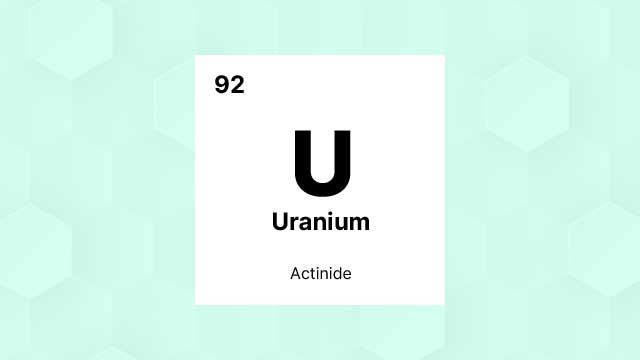
46. What’s element number 92?
[A] Uranium (U) | A heavy metal naturally occurring in low concentrations and is a key material for nuclear fuel.
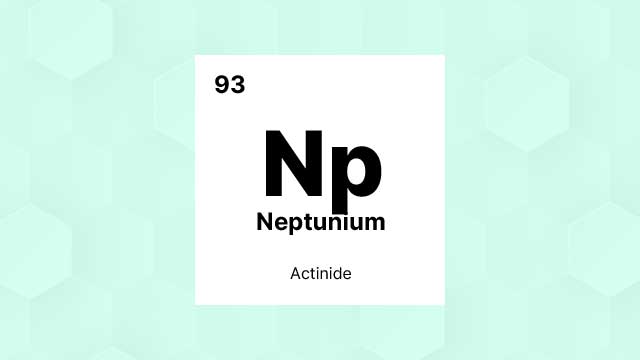
47. What’s element number 93?
[B] Neptunium (Np) | The first transuranium element to be artificially produced, named after the planet Neptune.
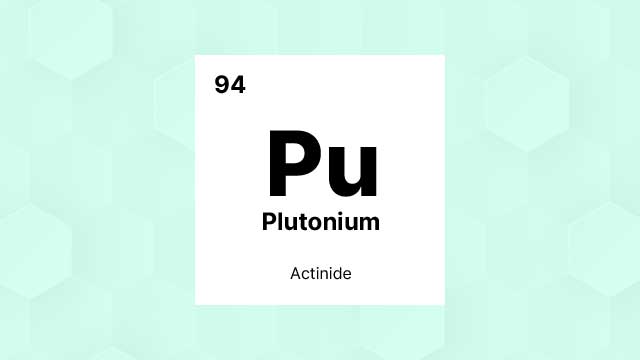
47. What’s element number 94?
[C] Plutonium (Pu) | A radioactive element used as a fuel for nuclear reactors and in nuclear weapons.
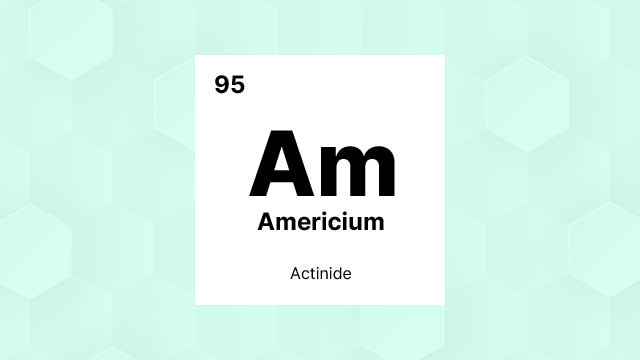
48. What’s element number 95?
[A] Americium (Am) | A radioactive element with the symbol Am and is used in smoke detectors.
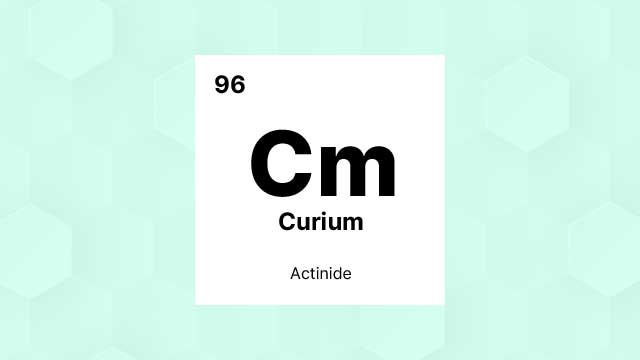
48. What’s element number 96?
[B] Curium (Cm) | A radioactive element with the symbol Cm, named in honor of Marie and Pierre Curie.
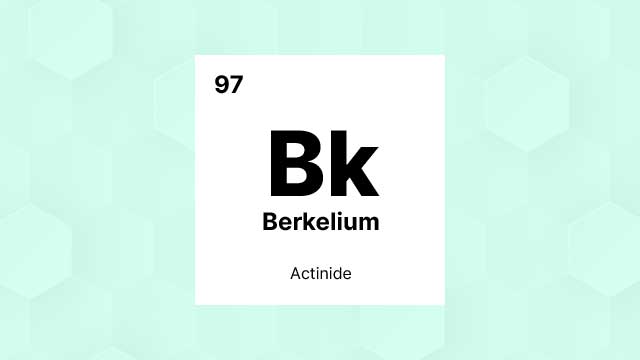
49. What’s element number 97?
[C] Berkelium (Bk) | A transuranic radioactive element with the symbol Bk, first synthesized in 1949.
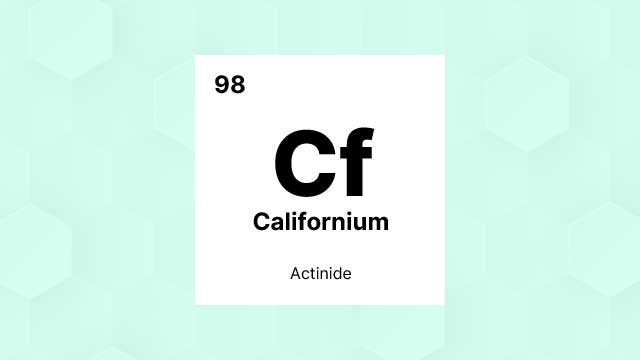
49. What’s element number 98?
[C] Californium (Cf) | A radioactive element with the symbol Cf, discovered in 1950 at the University of California.

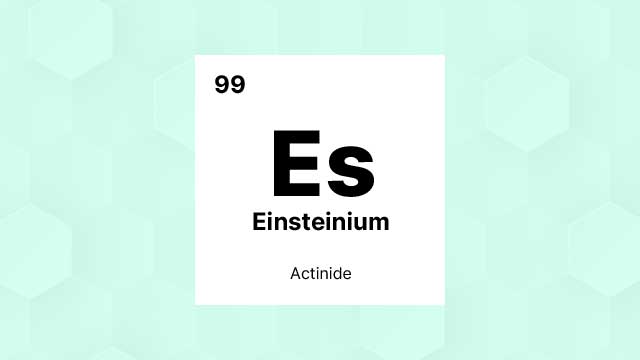
50. What’s element number 99?
[B] Einsteinium (Es) | A radioactive element with the symbol Es, discovered in 1952 as a product of nuclear fission.

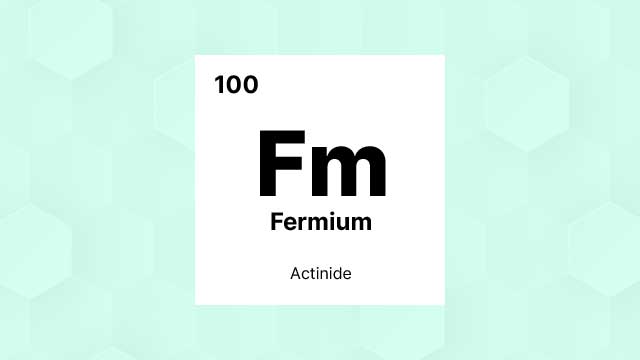
50. What’s element number 100?
[A] Fermium (Fm) | A synthetic radioactive element with the symbol Fm, named in honor of Enrico Fermi.

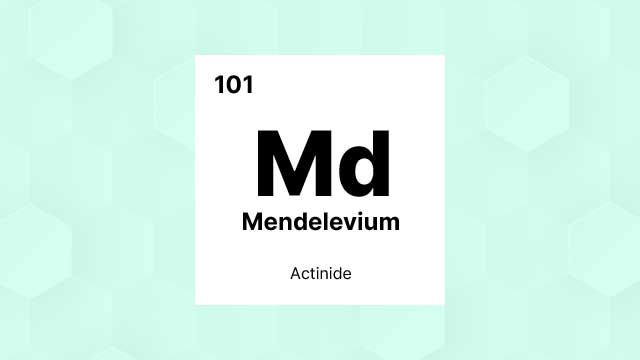
51. What’s element number 101?
[D] Mendelevium (Md) | A synthetic radioactive element with the symbol Md, named after Dmitri Mendeleev.

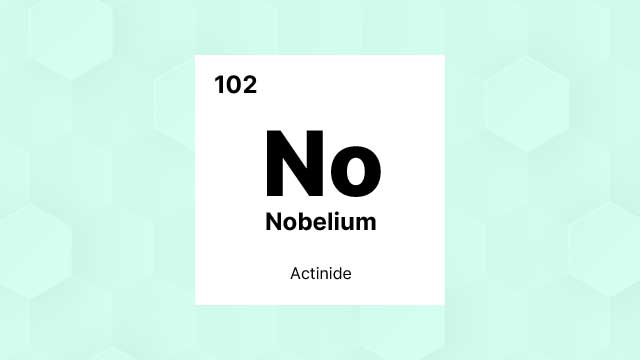
51. What’s element number 102?
[A] Nobelium (No) | A radioactive element with the symbol No, named in honor of Alfred Nobel.
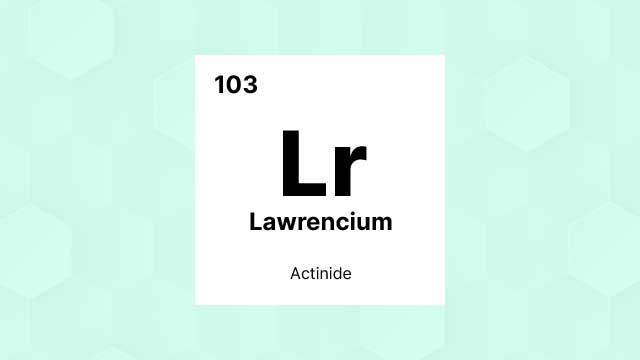
52. What’s element number 103?
[B] Lawrencium (Lr) | A synthetic radioactive element with the symbol Lr, named in honor of Ernest O. Lawrence.

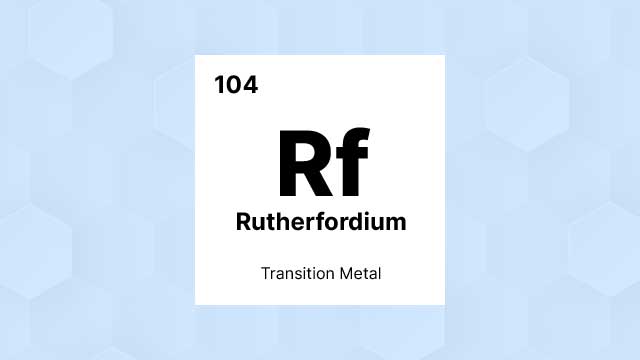
52. What’s element number 104?
[C] Rutherfordium (Rf) | A synthetic radioactive element with the symbol Rf, named after Ernest Rutherford.

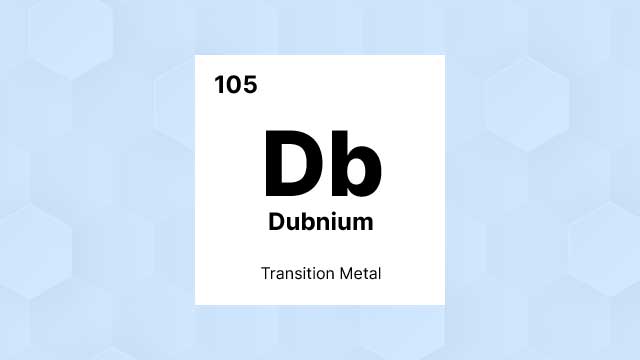
53. What’s element number 105?
[A] Dubnium (Db) | A synthetic radioactive element with the symbol Db, named after the city of Dubna.

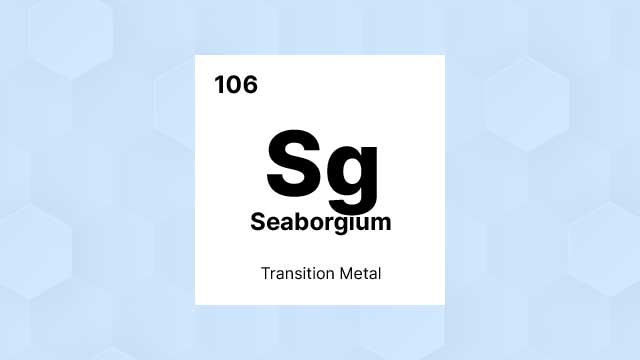
53. What’s element number 106?
[B] Seaborgium (Sg) | A synthetic radioactive element with the symbol Sg, named in honor of Glenn T. Seaborg.
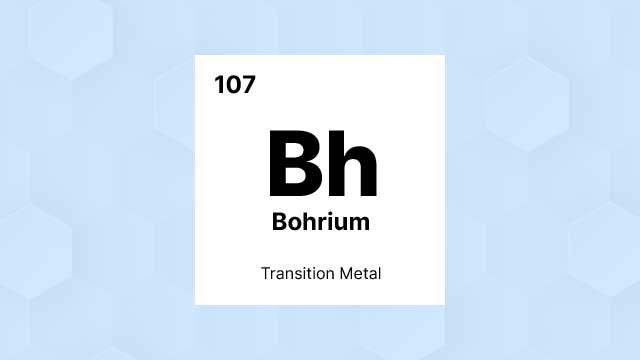
54. What’s element number 107?
[C] Bohrium (Bh) | A synthetic radioactive element with the symbol Bh, named after Niels Bohr.
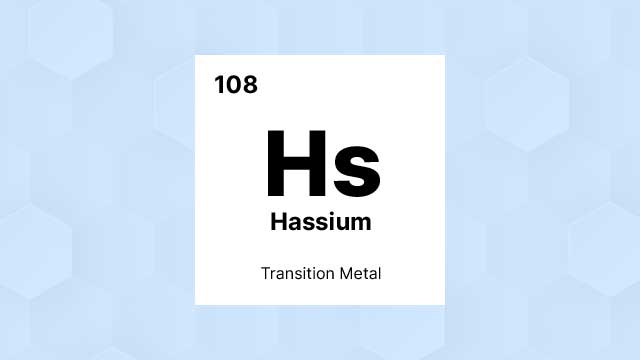
54. What’s element number 108?
[D] Hassium (Hs) | A synthetic radioactive element with the symbol Hs, named after the town of Hesse.

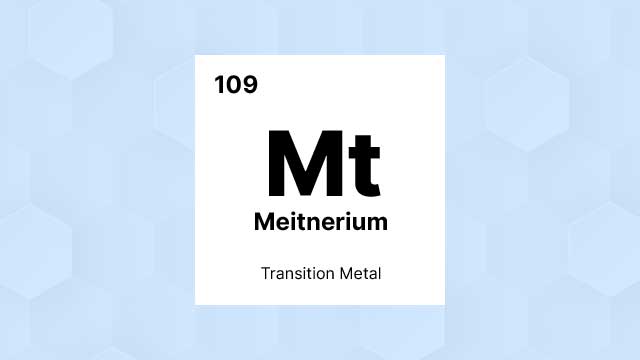
55. What’s element number 109?
[B] Meitnerium (Mt) | A synthetic radioactive element with the symbol Mt, named after Lise Meitner.

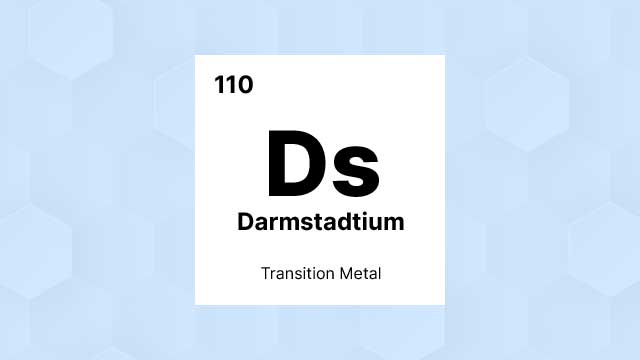
55. What’s element number 110?
[C] Darmstadtium (Ds) | A synthetic radioactive element with the symbol Ds, named after the city of Darmstadt.

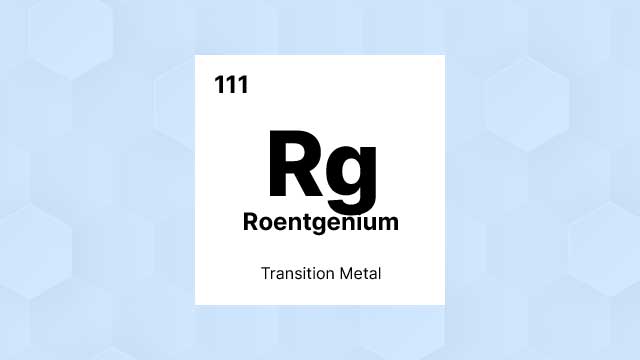
56. What’s element number 111?
[A] Roentgenium (Rg) | A synthetic radioactive element with the symbol Rg, named after Wilhelm Conrad Röntgen.
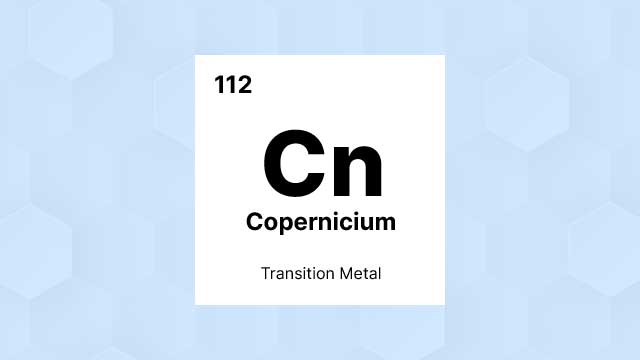
56. What’s element number 112?
[B] Copernicium (Cn) | A synthetic radioactive element with the symbol Cn, named in honor of Nicolaus Copernicus.
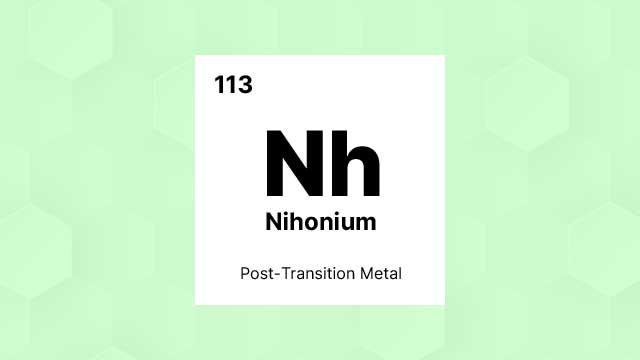
57. What’s element number 113?
[C] Nihonium (Nh) | A synthetic radioactive element with the symbol Nh, named after Japan, where it was first synthesized.
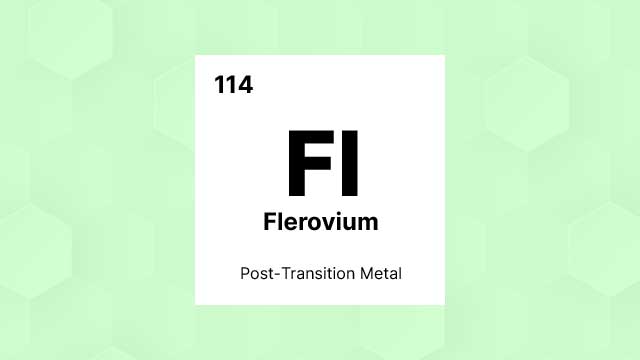
57. What’s element number 114?
[A] Flerovium (Fl) | A synthetic radioactive element with the symbol Fl, named after the Flerov Laboratory of Nuclear Reactions.

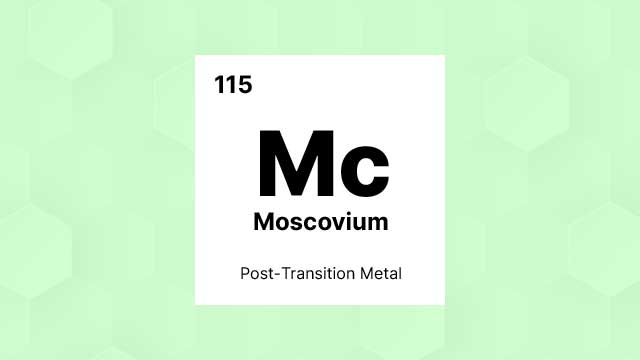
58. What’s element number 115?
[B] Moscovium (Mc) | A synthetic radioactive element with the symbol Mc, named after the Moscow Oblast.
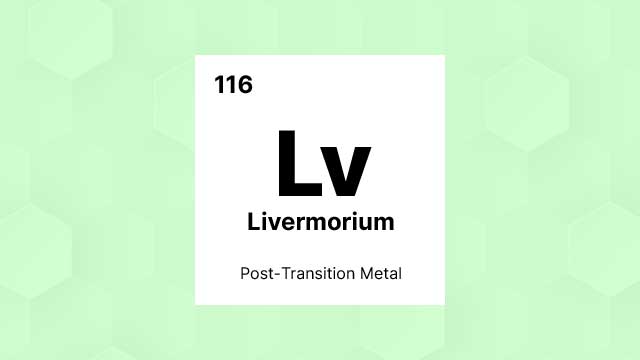
58. What’s element number 116?
[C] Livermorium (Lv) | A synthetic radioactive element with the symbol Lv, named after the Lawrence Livermore National Laboratory.
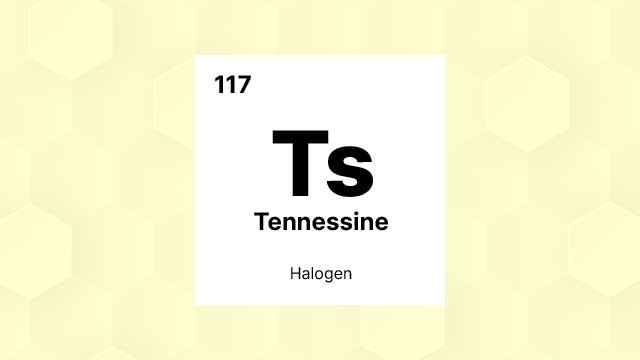
59. What’s element number 117?
[B] Tennessine (Ts) | A synthetic radioactive element with the symbol Ts, named after the region of Tennessee.
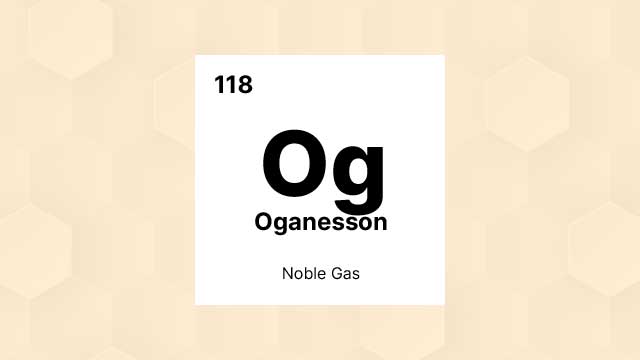
59. What’s element number 118?
[D] Oganesson (Og) | A synthetic radioactive element with the symbol Og, named after Yuri Oganessian.
Your Scorecard
Periodic Table Quiz: 59 Random Elements, Go!
- Correct
- Correct Rate%Avg Correct Rate
- L1Difficulty Level1xPoints
- Get Points
- Perfect100%
- Excellent≥90%
- Very Good≥80%
- Good≥70%
- Passed≥60%
- Failed≤50%
- Periodic Table Quiz: Elements 1-50, Go!
- Periodic Table Quiz: Elements 51-118, Go!
- Periodic Table Quiz: 59 Random Elements, Go!
Recent Top Players
Related Quizzes
-
![Periodic Table Quiz: Elements 51-118, Go!]()
Periodic Table Quiz: Elements 51-118, Go!
68 QuestionsPlay Quiz -
![Periodic Table Quiz: Elements 1-50, Go!]()
Periodic Table Quiz: Elements 1-50, Go!
50 QuestionsPlay Quiz
More from QuizABCD
-
![Verse Case Scenario: Match the Poem (2)]()
Verse Case Scenario: Match the Poem (2)
30 QuestionsPlay Quiz -
![Guess the Flag: Symbol Showdown! (1)]()
Guess the Flag: Symbol Showdown! (1)
25 QuestionsPlay Quiz -
![Guess the Dog Breed’s True Birthplace (2)]()
Guess the Dog Breed’s True Birthplace (2)
20 QuestionsPlay Quiz -
![Who Played These Friends Characters? (1)]()
Who Played These Friends Characters? (1)
25 QuestionsPlay Quiz -
![Easy Science Quiz: Can You Get 20/20?]()
Easy Science Quiz: Can You Get 20/20?
20 QuestionsPlay Quiz -
![Guess Swift Song by Emoji]()
Guess Swift Song by Emoji
23 QuestionsPlay Quiz -
![Spot the Odd Color: Square Edition (L3)]()
Spot the Odd Color: Square Edition (L3)
15 QuestionsPlay Quiz -
![Finish the Hit Title: Rock Edition (1)]()
Finish the Hit Title: Rock Edition (1)
20 QuestionsPlay Quiz


Trending Quizzes
This week-
![50 States Map Quiz, No Stress—Go!]()
50 States Map Quiz, No Stress—Go!
000,000 Plays / 0,000 LikesPlay Quiz -
![50 State Flags Quiz – Part 1]()
50 State Flags Quiz – Part 1
000,000 Plays / 0,000 LikesPlay Quiz -
![]()
Guess the States from EMOJIS! (1)
000,000 Plays / 0,000 LikesPlay Quiz -
![Name Every NFL Team Logo! - Part 1]()
Name Every NFL Team Logo! - Part 1
000,000 Plays / 0,000 LikesPlay Quiz -
![Name That NBA Logo! (All 30) - Part 1]()
Name That NBA Logo! (All 30) - Part 1
000,000 Plays / 0,000 LikesPlay Quiz -
![Spot the Differences: Test Your Keen Eye!]()
Spot the Differences: Test Your Keen Eye!
000,000 Plays / 0,000 LikesPlay Quiz -
![]()
100 Greatest Music Artists Quiz (1)
000,000 Plays / 0,000 LikesPlay Quiz -
![50 Greatest TV Characters – Name ’Em!]()
50 Greatest TV Characters – Name ’Em!
000,000 Plays / 0,000 LikesPlay Quiz -
![U.S. Presidents in Order Quiz (10s)]()
U.S. Presidents in Order Quiz (10s)
000,000 Plays / 0,000 LikesPlay Quiz -
![30 Common Chat Acronyms Quiz]()
30 Common Chat Acronyms Quiz
000,000 Plays / 0,000 LikesPlay Quiz